
Primul sabat pe care-l petrec aici. Aseară, am fost la adunarea baptistă din Melbourne, unde Busuioc Belciu este păstor. Mă avertizase că membrii sunt și baptiști, și pentecostali. I-am spus că este combinaţia mea preferată. Și așa a fost…
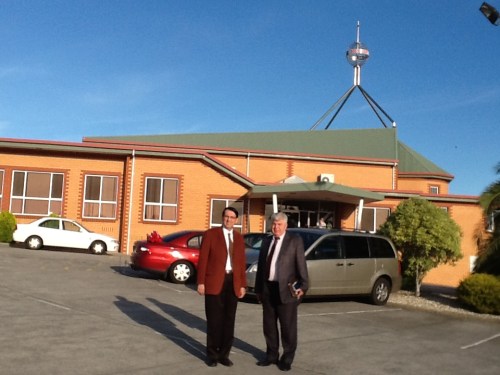
M-am temut că-mi va fi greu să mă fac înțeles, având în vedere deosebirile dintre mine și cei de aici. Mi-am făcut griji degeaba. Când atmosfera este duhovnicească, creștinii beneficiază de serviciile unui traducător desăvârșit, Duhul Sfânt. El poate lua un mesaj vorbit și să-i facă pe ascultători să audă cea mai bună variantă a lui, nu de puține ori chiar mai bună decât mesajul iniţial al vorbitorului. Cred că așa a fost și la adunarea noastră. În plus, problemele și preocupările noastre ca români creștini mutați într-o altă cultură majoritară ne sunt comune. America, Australia sunt țări de adopțiune asemănătoare, iar viețile noastre trec prin aceleași crize ale creșterii.
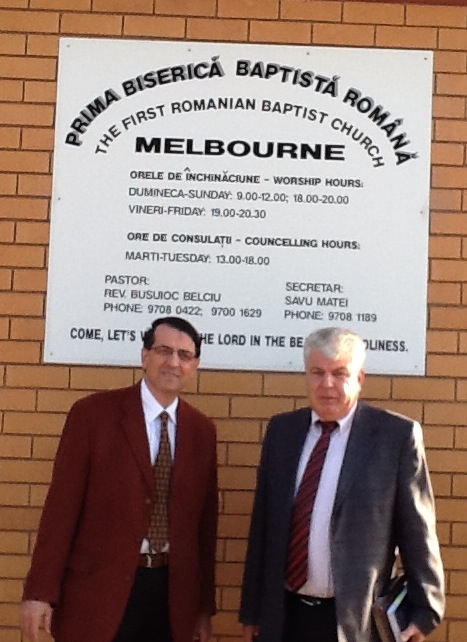
Am vorbit despre societatea modernă care străbate o criză a dezumanizării sub ceea ce se numeşte postmodernism. Nimic nou sub soare! Biblia prezintă în cartea Judecători criza acestei desfigurări interioare decadente. Oamenii alunecă spre „nivelul animalicului” în spirale ciclice, din ce în ce mai joase, până când poporul scos din Egipt ajunge la nivelul dezgustător al Sodomei, Gomorei și al popoarelor pe care nu le-a mai suportat Dumnezeu şi le-a izgonit din Canaan. Finalul vremii Judecătorilor ni-i prezintă pe evreii practicând şi apărând… homosexualitatea şi sodomia (seminția lui Beniamin). Au ajuns acolo din cauza unui „postmodernism antic”, în care „fiecare făcea ce-i plăcea”.
Cartea are însă un mesaj pozitiv: Dumnezeu vrea și poate să izbăvească. A făcut-o atunci prin acei izbăvitori-judecători și o face acum prin Isus Christos şi Duhul Sfânt. Izbăvirea este a Domnului! Și de ea pot beneficia toți cei ce se întorc cu pocăință la Dumnezeu.
Dincolo de dialogurile purtate în limba română, ascult cu o plăcere nouă schimburi de vorbe în limba aceasta cu accent australian. Mai ales tinerii mă fascinează. Urechea mea începe să deslușească mai clar ceea ce-și spun unii altora. Foarte, foarte interesant…
Încep să pricep ce-i cu accentul australian. Îmi devine chiar din ce în ce mai simpatic.
They speak english so whats weird?
I know how weird is it! NZ has the same ancestry yet their accent is different too (although the rest of the world doesnt think so). Maybe it has something to do with the weather?
Explicații iritate sau simpliste ca cele de mai sus am mai auzit. Cine sapă însă puțin află lucruri mult mai interesante.
1. Australiana este un slang (un jargon) specific deținuților dintr-o anumită parte a Angliei şi Irlandei care au ajuns aici primii. Cei veniți după ei l-au preluat şi l-au accentuat amuzaţi, aşa cum se întâmplă acum cu vorbirea „la mișto”, la modă în România (chestie beton, persoană marfă etc.)
Explicația în limba engleză:
Its a hybrid, basically. Its a lower class english accent, merged with aspects of the Irish accent- particularly the upper inflection on the end of a sentence. Then of course, people have been speaking english in Australia for over 200 years so its evolved on its own. There are also many different accents within Australia- eg Queenslanders speak differently to Victorians.
Aboriginal tribes spoke many different languages, and most have been lost. I dont think they have had anny effect on the development of the Australian accent. The Australian accent also bears a resemblance to the South African accent, although Australians will argue that we sound totally different!
The over-riding influence of the Australian Accent came from the first white people to get here. These were the convicts, who were the poor overwhelmingly from inner London. The cockney accent is so strong and strident, this has remained the prominent part of the way we speak. Other immigrants modified it somewhat, but the old Cockney rhyming slang still exists to this day, and has even influenced the accent of areas where no convicts were ever sent, like Adelaide. Today, with Interstate travel being so much easier (or was when fuel was affordable – it’s now over $1.60/litre), the accent has mellowed out to a cosmopolitan one, many people cannot tell the difference between States like you could 50 years ago.
2. Australiana este o dovadă a bogăției de dialecte din insulele britanice.
Mi-aduc aminte ce bulversați au fost niște americani de limbajul specific al Țării Galilor. Eram într-o escală la Londra, în drum spre România. Însoțeam un grup de americani menoniți. Am fost îndrumați să așteptăm la o poartă interioară un autobuz cu un număr anumit care urma să ne ducă la un alt terminal. Un „ușier” striga ori de câte ori se oprea un autobuz destinația respectivă. Au trecut o grămadă de mașini, omul a tot strigat, timpul nostru se scurgea rapid prăbușindu-ne spre domeniul crizei panicate. Șeful delegației noastre s-a dus la omul cu strigările şi l-a întrebat când vine şi autobuzul nostru. Omul i-a spus că trecuse deja de două ori şi el chiar se mirase că n-am vrut să ne urcăm.
Enervat, menonitul i-a spus: „Da’ de ce nu vorbești matale englezește ca să te înțeleagă toată lumea?” „Ba englezește vorbesc”, a venit răspunsul, „dar voi aveți urechi americane”…
Explicaţia pe limba engleză:
Just spend a week travelling around England to find your answer! From one side of the Island to the other the difference in speech patterns is so pronounced, you would have thought you had crossed borders! There are parts of England where you almost need an interpreter as they omit whole constanants from thier words or add ones that really make the words confusing such as “free” for “three”, and “teef” for “teeth”. The same goes for America, people can be state identified by their speech. Even Australian’s speak slightly different state to state. South Australians seem to have a more proper way of talking, more clear, whilst country Australia seems to have a more twangy accent.
Wikipedia:
“Australian English began diverging from British English shortly after the foundation of the Australian penal colony of New South Wales (NSW) in 1788. British convicts sent there, including Cockneys from London, came mostly from large English cities.”
“In 1827 Peter Cunningham, in his book Two Years in New South Wales, reported that native-born white Australians of the time — known as “currency lads and lasses”—spoke with a distinctive accent and vocabulary, with a strong Cockney influence.”
“Among the changes wrought by the gold rushes was “Americanisation” of the language — the introduction of words, spellings, terms, and usages from North American English.”
“The influx of American military personnel in World War II brought further American influence; though most words were short-lived; and only okay, you guys, and gee have persisted.”
“Since the 1950s American influence has mostly arrived via pop culture, the mass media — books, magazines, television programs, and computer software — and the world wide web. Some words, such as freeway and truck, have even naturalised so completely that few Australians recognise their origin.”
“There is also some influence from Irish English, but perhaps not as much as might be expected given that many Australians are of Irish descent.”
Intrăm în sfârșit de Sabat. So far, so good. Ne odihnim în odihna Domnului. Mâine e duminică. Ziua de lucru a predicatorilor creștini. Pe curând.
Categories: Personale, Uncategorized
 Iosif Țon și Bill Johnson – Răspuns pentru un prieten
 M10 – Minunea de la Piatra Neamț
 Amintiri din copilărie


Leave a Reply