
Emil Cioran also wrote his “Le mauvais démiurge (The Evil Demiurge)”, published in 1969, influencedby Gnosticism and Schopenhauerian interpretation of Platonic ontology, as well as that of Plotinus.
+++
Dacă vă interesează puțină cultură generală despre gnostici și influența lor înspre creștinismul și psihicul european, vă rog să citiți un articol pe această temă:
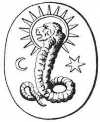
Demiurge
Derived from a Greek word meaning “artisan” or “public worker,” the Demiurge was first described by Plato in his dialogue Timaeus, in which he identifies the Demiurge as the force that fashioned the world from the preexisting materials of chaos. In Gnosticism, the Demiurge is regarded as an inferior deity who created the imperfect, material world and belongs to the forces of evil opposing the supreme God of goodness. What are some of the many names of the Demiurge? More…
Categories: Teologice
 Taina Templului evreiesc
  Barzilaiendan
Leave a comment